
At Business Equator, we help people every day who want to know how to start a small business. Starting a small business provides the chance to become a business owner and build a successful enterprise on your own terms. To begin, you can follow specific steps that fit your skills and goals. Many people seek out a startup manual because they have a product or service ready and need clear tips to move forward. Accordingly, this article shares business startup basics so you can learn how to launch and grow the right way.
You will see how to open a small business by taking practical actions that successful owners use every year. Specifically, the process includes market research and a solid business plan. From there, you can grow a side hustle into something bigger. We cover everything from choosing a structure to handling finances so you can keep your operations running smoothly.
Conduct Market Research
Market research identifies your target audience and potential customers before you start a small business. Specifically, you look at what people need and how your product or service fits their daily lives. Many small business owners focus here because it shows real demand and helps avoid mistakes later. By doing so, you can talk to people in your area or online and note what they like and what they pay for similar items.
In addition, this step lets you check competitors and find gaps you can fill. You learn how to reach new customers through social media channels and content creation. As a result, good market research helps you set up a business that attracts customers right away and supports long-term growth.
| Target Customer Profile | Competitor Overview | Demand Indicators |
|---|---|---|
| Age group interests and location of people who need your product or service | What other businesses offer and how they reach customers | Search volume and local interest in your type of business |
| Income level and buying habits of your potential customers | Strengths and weaknesses of similar small businesses | Customer reviews and feedback from online store visitors |
| Problems your product or service solves for them | Pricing and marketing methods used by others | Trends in your industry and seasonal demand |
Small Business Ideas 2025 When You Have No Ideas
Small business ideas 2025 focus on simple options that match your skills and need little startup money. You can turn a hobby into an online store or offer services like content creation on TikTok. Many people begin with a side hustle such as custom products or local delivery and then expand. These ideas work well for starting small and testing the market before you commit full time.
You can also explore home based options or digital services that let you work from anywhere. Look at what people search for and pick something you enjoy. This way you build a business that grows naturally and brings in new customers over time.
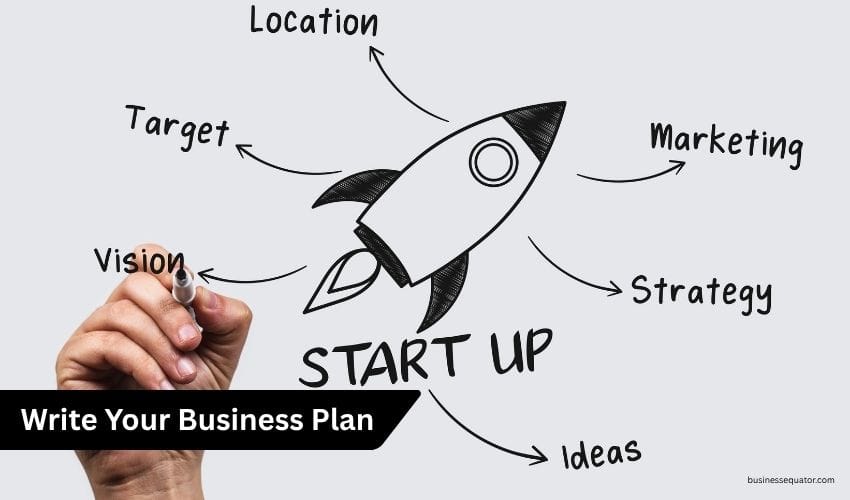
Write Your Business Plan
A business plan lays out your goals and shows how you will run and grow your small business. You include details on your product or service and how you will reach your target audience. Small business owners use this document to stay organized and to explain their vision when they talk to others. The plan helps you manage your business finances and plan for office supplies or other needs.
You update the plan as you learn more about your market and make changes along the way. It acts as a starting and operating a business checklist that keeps you on track. With a clear business plan you make better decisions and increase your chances of building a successful business.
| Key Section | Description |
|---|---|
| Executive Summary | Short overview of your business goals and what makes it different |
| Market Analysis | Details on your target audience and competitors |
| Organization and Management | Information on your legal structure and team if you hire employees |
| Services or Products | Description of what you sell and how it helps customers |
| Marketing and Sales Strategy | Plan to attract new customers through social media channels and more |
How to Start a Small Business Book Recommendations
Books on business startup basics can give you extra ideas when you want to start a small business. Look for titles that cover steps to start a business and real examples from small business owners. These books explain how to handle business finances and choose the right path for your new business. You can read them at your own pace and apply the lessons directly to your situation.
Many small business owners say books help them see the full picture and avoid common problems. Pick ones that match your industry and read a chapter at a time while you build your plan.
How to Start a Business for Beginners
Beginners often feel ready to start a small business but need simple steps to follow. You begin with an idea and then complete business startup basics like market research and a basic plan. Many small business owners started exactly where you are now and used new business startup tips to move forward. You focus on one action at a time and build from there.
You can learn how to launch a business by testing a small version first and then scaling up. This approach lets you gain experience without big risks and helps you grow your small business steadily.

Fund Your Business
Funding your business is a key part of how to open a small business. You look at your own savings or explore small business loans that fit your needs. The Small Business Administration offers options that many small business owners use to cover startup costs. You track every expense so you can manage your business finances from day one.
You also consider ways to bring in money through early sales or partnerships. This step gives you the resources to buy office supplies hire help and handle daily operations. With proper funding you set up a business that can grow your small business without constant worry.
How to Start a Small Business with No Money
You can start a small business with no money by using skills you already have and keeping costs low. Many small business owners begin with a side hustle and reinvest every dollar they earn. You focus on free tools for content creation and social media channels to reach potential customers. This method lets you test your product or service before you spend more.
You build slowly and use customer reviews to improve and attract new customers. Over time you grow your small business and add paid services or products. This path shows that starting small can lead to a successful business.
How to Start a Small Business for Free
Starting a small business for free means you use what you already own and avoid extra expenses. You create an online store on free platforms and promote through TikTok and other social media channels. Many small business owners start this way and later add paid features. You handle business activities yourself at first and learn as you go.
This approach helps you keep your business simple and focused on delivering value to customers. You can expand when sales come in and keep personal assets safe while you build.
Pick Your Business Location
Your business location affects daily operations and how customers find you. You choose a spot that matches your type of business and follows zoning laws. Many small business owners pick a place close to their target audience so they can serve them better. The right location supports your efforts to grow your small business and bring in steady sales.
You weigh costs and convenience before you decide. Some people start with a small space and expand later. This choice plays a big part in how you run and grow your business over time.
How to Start a Small Business from Home
Many people choose to start a small business from home to save money and stay flexible. You set up a dedicated area for your work and follow local rules for home based operations. This setup works well for service businesses or online stores and lets you balance life and work. You can test your idea and grow your small business without a big lease.
Home based businesses often use social media channels to reach new customers and keep overhead low. You manage business finances carefully and treat your home setup like a real office. Check options for business locations for rent if you decide to expand later.
How to Start a Small Business Online
An online business lets you reach customers anywhere and operate from almost any place. You build a simple website or online store and use digital tools to sell your product or service. Many small business owners succeed here because they can start small and scale fast. You focus on content creation and customer reviews to build trust.
This path fits well with a side hustle and helps you grow your small business through social media channels. See our review on online brand success and read about digital marketing for small businesses to get practical ideas that work.
Choose a Business Structure
The structure you choose affects your personal liability and how you handle taxes. You compare options like sole proprietorship and limited liability company to see what fits your situation. Many small business owners pick a structure that offers personal liability protection and makes it easier to hire employees later. The choice also influences how you register your business and get federal and state tax ids.
A sole proprietorship keeps things simple but offers no separation between personal and business assets. A limited liability company gives personal liability protection and treats your business as a separate legal entity. You select based on your industry and plans to grow your small business. Learn more about business entity search to check rules in your state.
You also think about how the structure you choose will support future steps like opening a business bank account and applying for business licenses. The right decision helps you keep your business safe and ready to expand.
| Structure Type | Liability Protection | Tax Treatment | Best For Small Business Examples |
|---|---|---|---|
| Sole Proprietorship | No personal liability protection | Income passes to personal taxes | Side hustle or single owner service business |
| Limited Liability Company | Personal liability protection for business debts | Flexible options that can pass through or be taxed as a corporation | Most small business owners who want legal protection |
| Partnership | Limited protection depending on agreement | Shared between partners on personal taxes | Two or more people starting a new business together |
| Corporation | Strong personal liability protection | Separate tax filing as a business entity | Businesses that plan to hire many employees and raise funds |
How to Start a Small Business as a Woman
Women who want to start a small business often bring unique ideas and strong drive to the table. You can begin with a side hustle and use your skills to create a product or service that stands out. Many small business owners who are women focus on building a supportive network and learning business startup basics step by step. You choose a structure that gives personal liability protection and fits your goals.
You handle business finances carefully and look for small business loans or other support that helps you grow your small business. This path lets you balance life and work while you reach new customers and build a successful business. With clear actions you can turn your idea into a real business that lasts.
Choose Your Business Name
Your business name tells customers who you are and what you offer. You want a name that is easy to remember and fits the type of business you plan to run. Many small business owners spend time checking options so the name stands out and avoids problems later. You also think about how the name works with your product or service and whether it will help you reach potential customers through social media channels or an online store.
Start by making a list of ideas and then check if they are available. You search state databases to see if another business already uses a similar name. This step protects you and makes sure you can register your business without extra work. A good name supports your efforts to grow your small business from the beginning.
| Step | Action | Details by State |
|---|---|---|
| 1 | Brainstorm names | Pick names that describe your product or service and include words like LLC if needed |
| 2 | Check state database | Use your state secretary of state website to search for name availability |
| 3 | Search federal trademarks | Check USPTO site to avoid conflicts with existing trademarks |
| 4 | Check domain and social media | See if the name works as a website address and on platforms like TikTok |
| 5 | Reserve the name | File a name reservation with your state if you need more time before you register |
Once you pick a name you like, move forward with confidence. You can review more details on state specific searches like business entity search in Utah or similar pages for other states on Business Equator.
Register Your Business
After you choose your business name you need to register your business with the right office in your state. This step makes your new business official and separates it from your personal activities. You file documents that show your business structure and name. Many small business owners complete this part online through their state portal which saves time and money.
The process varies by state but usually includes filling out forms and paying a small fee. You provide basic information about your business activities and location. Once approved you receive confirmation that lets you move to the next steps like getting tax ids and opening accounts. Proper registration helps you operate legally and protects your personal assets.
You can also check local rules through your chamber of commerce or small business administration office. This action completes an important part of your starting your own business checklist and prepares you to open a business.
| Step | What to Do | State Specific Notes |
|---|---|---|
| 1 | Prepare documents | Gather your chosen business name and structure details |
| 2 | File with state office | Submit online or by mail to secretary of state or similar department |
| 3 | Pay filing fee | Fees differ by state and business type like limited liability company |
| 4 | Wait for approval | Processing time ranges from days to weeks depending on the state |
| 5 | Receive confirmation | Get your official paperwork and file it safely for future use |
State business search tools help confirm everything is correct before you finish. For example you can explore Minnesota business entity search or other state pages on Business Equator when you need specific help.
Get Federal and State Tax IDs
Every business needs proper tax identification to handle money and follow rules. You apply for an employer identification number also called EIN from the IRS. This number works like a social security number for your business and you use it when you hire employees or open accounts. The application is free and usually takes just a few minutes online.
You may also need state tax registration depending on where you operate and what you sell. This step lets you collect sales tax if required and file business taxes correctly. Many small business owners get both federal and state tax ids early so they can move forward without delays. These ids support all your business finances and help you keep records clean.
With your EIN ready you can sign contracts and work with suppliers. This part of the process is straightforward and gives you the official numbers you need to run and grow your small business.
Apply for Licenses and Permits
Most businesses need certain licenses and permits based on their industry and location. You check what is required for your type of business and apply through local city or county offices. Some businesses need a general business license while others require special permits for food health or construction work. You gather information about your business activities and submit applications on time.
These documents show that you follow zoning laws and safety rules. Many small business owners handle this step after they register their business and get tax ids. The exact requirements change by state and city so you contact the right departments or visit their websites. Once you have all required licenses and permits you can operate without worry and focus on serving customers.
| Business Type | Common License or Permit | Examples |
|---|---|---|
| Food service | Health department permit | Restaurant or food truck |
| Retail or online store | Sales tax permit | Clothing or general merchandise seller |
| Home based service | Local business license | Consulting or tutoring from home |
| Construction or repair | Contractor license | Handyman or renovation services |
| Professional services | Occupational license | Accounting or coaching business |
Open a Business Bank Account
Opening a business bank account keeps your business finances separate from your personal money. You visit a bank or credit union and bring your EIN along with your registration papers. Many small business owners choose a business checking account that offers easy online access and low fees. This account helps you track income and expenses and makes tax time much simpler.
You deposit early sales into the account and pay for office supplies or other costs from it. A dedicated business bank account also builds trust when you work with suppliers or apply for small business loans later. This step is quick once you have your official documents and it supports clean record keeping from day one.
Open Your Business and Start Operations
Now you can open your business and begin daily activities. You set up your workspace whether at home or in a small location and start reaching out to potential customers. Many small business owners begin with soft launches to test their product or service and collect customer reviews. You use social media channels and content creation to let people know you are open.
You handle orders or services and keep good records of every transaction. This phase lets you learn how to manage your business and make small adjustments as needed. You focus on delivering value and building relationships with new customers. Over time these actions help you grow your small business and turn it into a successful business that you own and operate with pride.
Why Business Equator Is the Right Resource for Your Small Business Startup
Business Equator provides clear information that supports people who want to start a small business. You find articles on business entity search and state specific details that help with how to register a small business. The site shares new business startup tips and explains business startup basics in simple language that anyone can follow.
Whether you need help with business name choices or steps to start a business you can explore practical pages that match your situation. Business Equator covers topics like small business ideas 2025 and ways to grow your small business after you launch. Many readers use the site as their small business startup guide because the content stays focused on real actions and current information.
You can visit individual articles on Business Equator for deeper details on any step and return anytime for more support. This makes Business Equator a helpful resource for starting and operating a business from the first idea all the way to daily success.
Frequently Asked Questions
I have seen many people begin with skills they already have and zero cash in the bank. You offer services like tutoring or content creation on free platforms and use social media channels to find your first customers. Start small with a side hustle and reinvest every dollar you earn back into the business. This approach worked for several people I know who turned their knowledge into steady income over time.
Beginners do best when they pick one simple idea and take small actions every day. You research your target audience first then create a basic plan that outlines your product or service. Many small business owners I spoke with started by testing their offer with friends and family before going public. Focus on learning one step at a time and you will gain confidence as you move forward.
Home based businesses save money on rent and give you flexibility from day one. You set up a dedicated workspace and follow local zoning laws so everything stays legal. I started one of my own projects from the kitchen table and used an online store to reach customers without leaving the house. Many small business owners grow successfully this way by keeping overhead low and focusing on service quality.
One thousand dollars can be enough if you choose a service based or digital business. You cover basic costs like a domain name office supplies and simple marketing on social media channels. I know a freelance writer who launched with less than that amount and built a client list within months. Success depends more on your effort than the exact starting number.
You need a clear idea a way to reach potential customers and basic legal setup. Most people begin with market research and a simple business plan. You will also want an employer identification number and a business bank account once you start making sales. Many small business owners I talk to say focus and consistency matter more than fancy equipment in the early days.
Funding options include personal savings small business loans from banks or support through the Small Business Administration. You prepare a basic plan that shows how you will use the money and repay it. Some owners bootstrap by starting small and using early sales to fund growth. I have watched several people combine personal funds with micro loans to launch without heavy debt.
Yes you can set up an LLC by yourself in most states without hiring a lawyer. You file articles of organization with your state office and handle the basic paperwork online. I helped a friend complete the process in one weekend using official state forms. Many small business owners manage this step alone and save money for other startup needs.
Costs range widely from a few hundred dollars for online service businesses to thousands for those needing inventory or equipment. Home based and digital options often stay under ten thousand dollars in the first year. I have seen service businesses launch for less than three thousand while retail shops spend more. Your total depends on the type of business and how carefully you control expenses.
The first steps include market research choosing a business name and deciding on your legal structure. You then register your business and get federal and state tax ids. Many small business owners complete these actions before they open their doors. I always recommend writing down your product or service details early so every later decision stays on track.
Starting a small business is worth it for those who enjoy solving problems and building something of their own. You gain freedom to set your schedule and pursue ideas you care about. I have met many owners who say the hard work paid off through personal satisfaction and steady income. The journey teaches skills that last a lifetime even if the first attempt needs adjustments.
Conclusion
You now have a clear picture of the actions needed after you plan and research your idea. From choosing your business name to opening a business bank account each step builds on the last and moves you closer to running your own business. Follow the order that fits your situation and complete one part at a time so you stay organized.
Many small business owners began exactly where you are and used these same steps to create something lasting. Keep learning as you go and adjust based on what works for your customers. For more details or specific questions visit our Contact Page.
At Business Equator we believe anyone can start a small business with the right information and steady effort. Take the next step today and begin building the successful business you want.





[…] notifications can alert them when new off-duty opportunities become available, allowing them to view, request, and confirm assignments from anywhere. They can also check past and upcoming shifts, […]